mussels

OCEAN 69

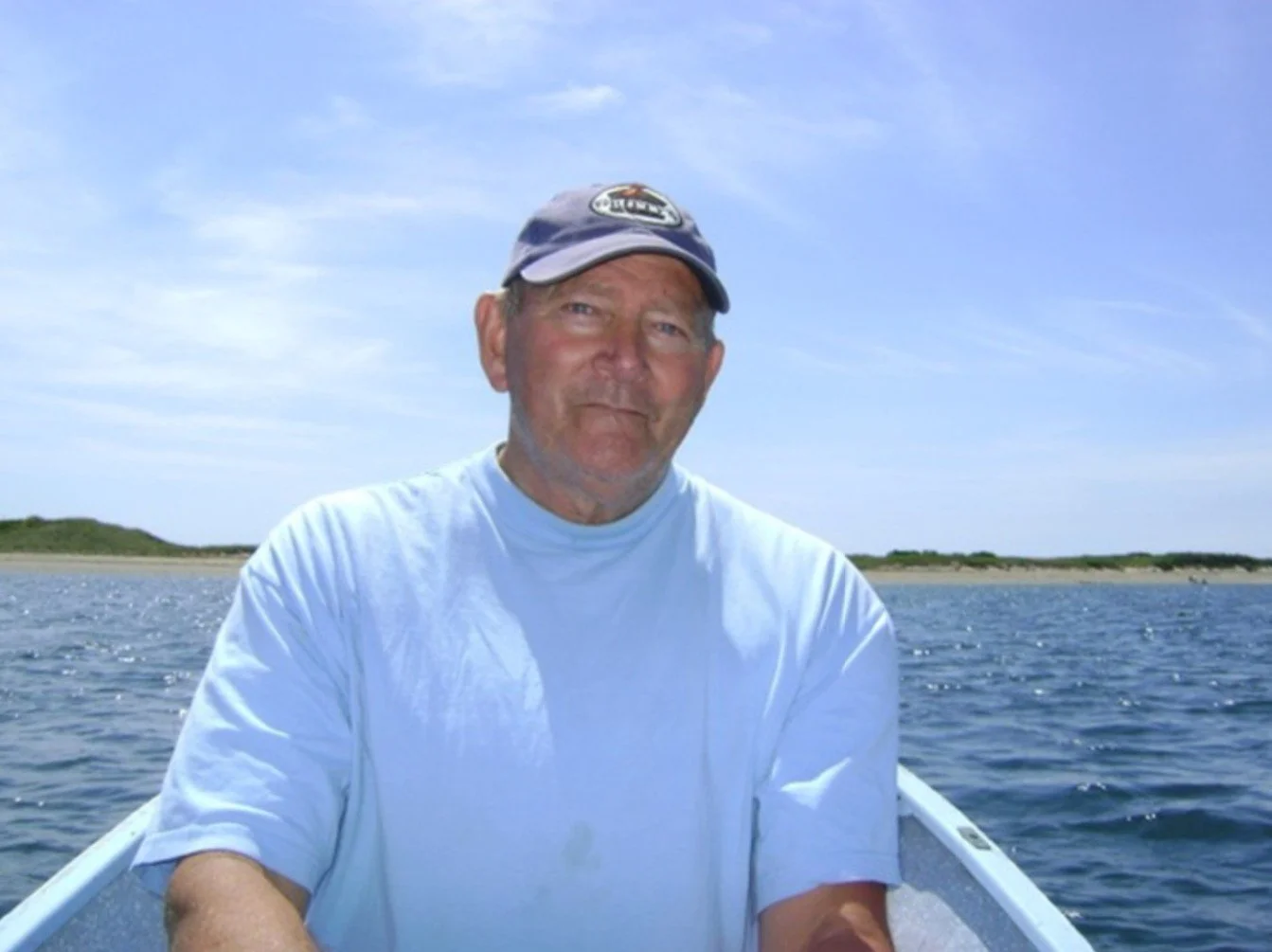
Gordon Peabody, OCEAN’s Editor

I have been publishing Safe Harbor’s educational e-newsletter OCEAN for oh so many years now, that it has come time for a change. OCEAN 70 will mark our final issue. I like to think I have made some small differences, in good ways, with the environmental problems we all share. Financial considerations were never important to me, and I have never asked for support or carried advertising. These things have changed, as costs for our 5,000 reader email service are now over $1,200 a year and the research costs have expanded likewise, beyond that.

My own research has determined that Ocean Storms are combinations of Mass and Energy. Everyone seems to be drawn to controlling mass but as I began sorting out one from the other, I discovered that when we control storm energy, that the energy will control the mass. Our final issue will contain a few of my favorite and most effective systems that I have developed at Safe Harbor.

-Gordon Peabody, Editor.


What’s inside OCEAN 69

Innovation in Kelp Farming

Rivers of rock

After a Century of Silence, the Herring River Begins to Wake

When the Bay Runs Low on Breath

The Future of Sargassum

Thank you!

Alaska’s First Ever Heat Wave Warns of 90 Degree Temperatures

Warmest UK waters have new species!

Goldfish in Rain Barrels: A Natural Method of Pest Control

Acidity Bares Its Jagged Teeth

A Bright Future
OCEAN 68

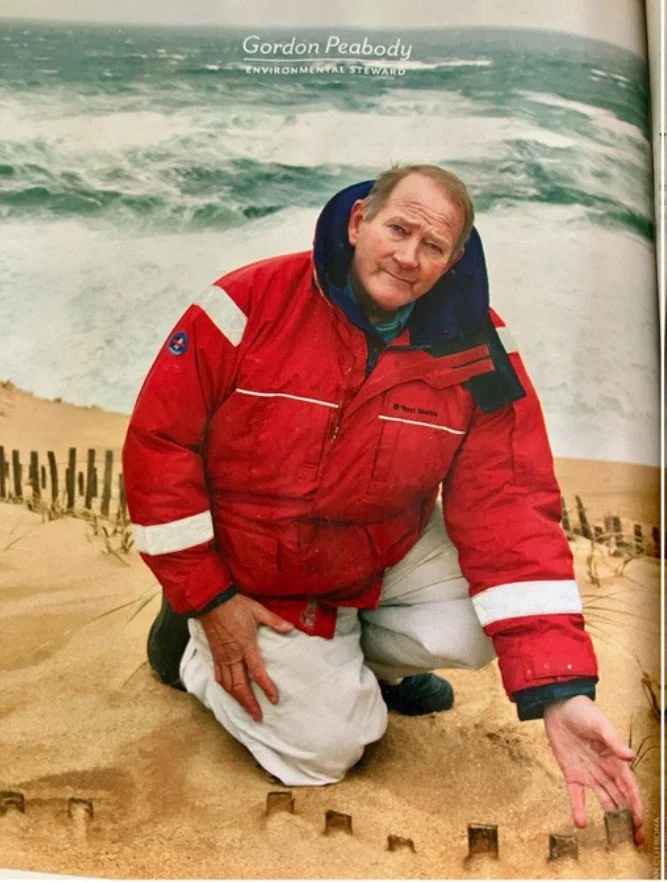
Gordon Peabody, OCEAN’s Editor

This 68th issue of OCEAN introduces a very unusual article on “Bio-Receptive Concrete”, on page 7 by Billie Grimshaw, one of Safe Harbor’s summer interns. We also are sharing the extraordinary video of a Whale gobbling a kayaker and introducing an innovative role for mussels; and Liam O’Hara’s micro wind turbine, which is sweeping Europe. OCEAN is the environmental education publication of Safe Harbor, a small interdisciplinary environmental consulting group on Cape Cod. There is no advertising or solicitation in OCEAN, because I wanted to have an environmental publication with no expectations, other than it be shared by friends, with friends. Thank you for your support.

-Gordon Peabody, Editor.


What’s inside OCEAN 68

What Not to Catch

What are the Odds?

Flexing its Mussels: Nature’s Filter

Gone With the Wind

Don’t Release Your Balloons

Thank you!

Gone in a Flutter: Butterfly Populations on the Decline

Historical Rain Events Are Becoming More Generational

Vanishing Islands: Sea Level Rise Imperils Small Nation

Bioplastics: Turning the Page on Plastic

Bioreceptive Concrete: Living With Urban Moss

OCEAN 43

Why do marine animals eat plastic? Check out article 11 to find out.

Why do marine animals eat plastic? Check out article 11 to find out.

Editor’s Comments:

In OCEAN 43, we are proud to share a fascinating idea from the Himalayas and another, “Close to Home” innovative idea for long term coastal erosion management, a hybrid system of living shoreline and ballasted coir fiber. We also find it difficult to imagine Northwest Seafood being able to contain everything they are discovering in them (see Opioids in Northwest Mussels, page 6) and from OCEAN 41 “81 types of drugs and chemicals found in Puget Sound Salmon”). OCEAN 44 will link this article with the micro-plastics being found in Mussels. Plastics are not going away and according to OCEAN Researcher Brigid McKenna, (page 6) when consumed by sea birds, they tragically cannot be digested. Oh, and now, micro plastics have been discovered in our drinking water. (page 3).

~Gordon Peabody, Editor

Ocean 43 Articles

Salmon in Washington

Contaminated drinking water

Gulf oil spill cleanup

Opioids in mussels

Hawaii protects coral reefs

Eating packaging

Dangerous VOC’s without airflow

Clean water: manmade glaciers

Herring River Estuary restoration

Seaweed as cow feed

Why marine animals eat plastic